Herbs That Grow Together Like
Herbs That Grow Together Like
Growing herbs together is a great way to save space in your garden, attract beneficial insects, and improve the flavor of your food. When you plant herbs that complement each other, they can help each other thrive.
In this blog post, we'll discuss some of the best herbs to plant together, as well as some of the factors you should consider when choosing companion plants. We'll also provide some tips on how to plant and care for your herb garden.
Why Plant Herbs Together?
There are many benefits to planting herbs together. Here are a few of the most important:
- Space saving: When you plant herbs together, you can save space in your garden. This is especially important if you have a small yard or patio.
- Attracting beneficial insects: Many herbs attract beneficial insects, such as ladybugs, lacewings, and parasitic wasps. These insects help to control pests in your garden, which can save you time and money on pesticides.
- Improving flavor: When you plant herbs together, their flavors can blend together to create new and exciting flavors. This is especially true when you plant herbs that have complementary flavors.
Factors to Consider When Choosing Companion Plants
When choosing companion plants, there are a few factors you should consider:
- Sunlight requirements: Make sure that the herbs you choose have similar sunlight requirements. For example, you wouldn't want to plant a shade-loving herb like mint next to a sun-loving herb like basil.
- Water requirements: Herbs also have different water requirements. Make sure that the herbs you choose have similar water requirements so that you don't overwater or underwater them.
- Soil type: Herbs also have different soil requirements. Make sure that the herbs you choose will grow well in the type of soil you have.
- Pests and diseases: Some herbs can help to repel pests and diseases from other herbs. For example, basil can help to repel aphids, and mint can help to repel mosquitoes.
Best Herbs to Plant Together
Here are some of the best herbs to plant together:
- Basil and tomatoes: Basil is a natural pest repellent, and it can help to improve the flavor of tomatoes.
- Sage and rosemary: These two herbs have similar growing requirements, and they can help to attract beneficial insects.
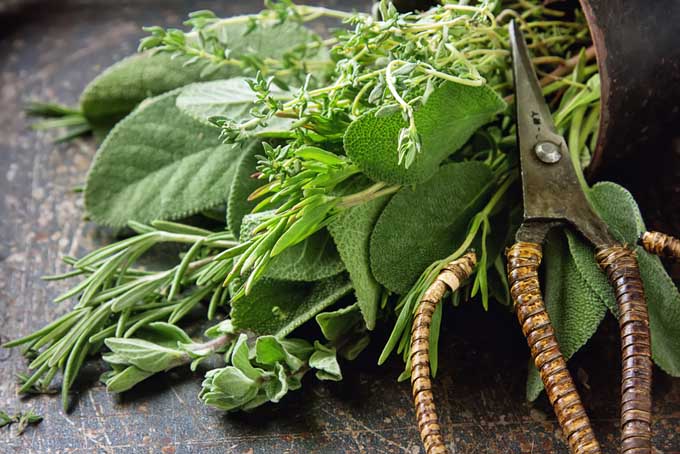
- Thyme and oregano: These two herbs are both Mediterranean herbs, and they can help to improve the flavor of many dishes.

- Parsley and chives: These two herbs are both biennials, and they can be planted together in the same pot.

- Dill and cilantro: These two herbs have complementary flavors, and they can be used in many different dishes.
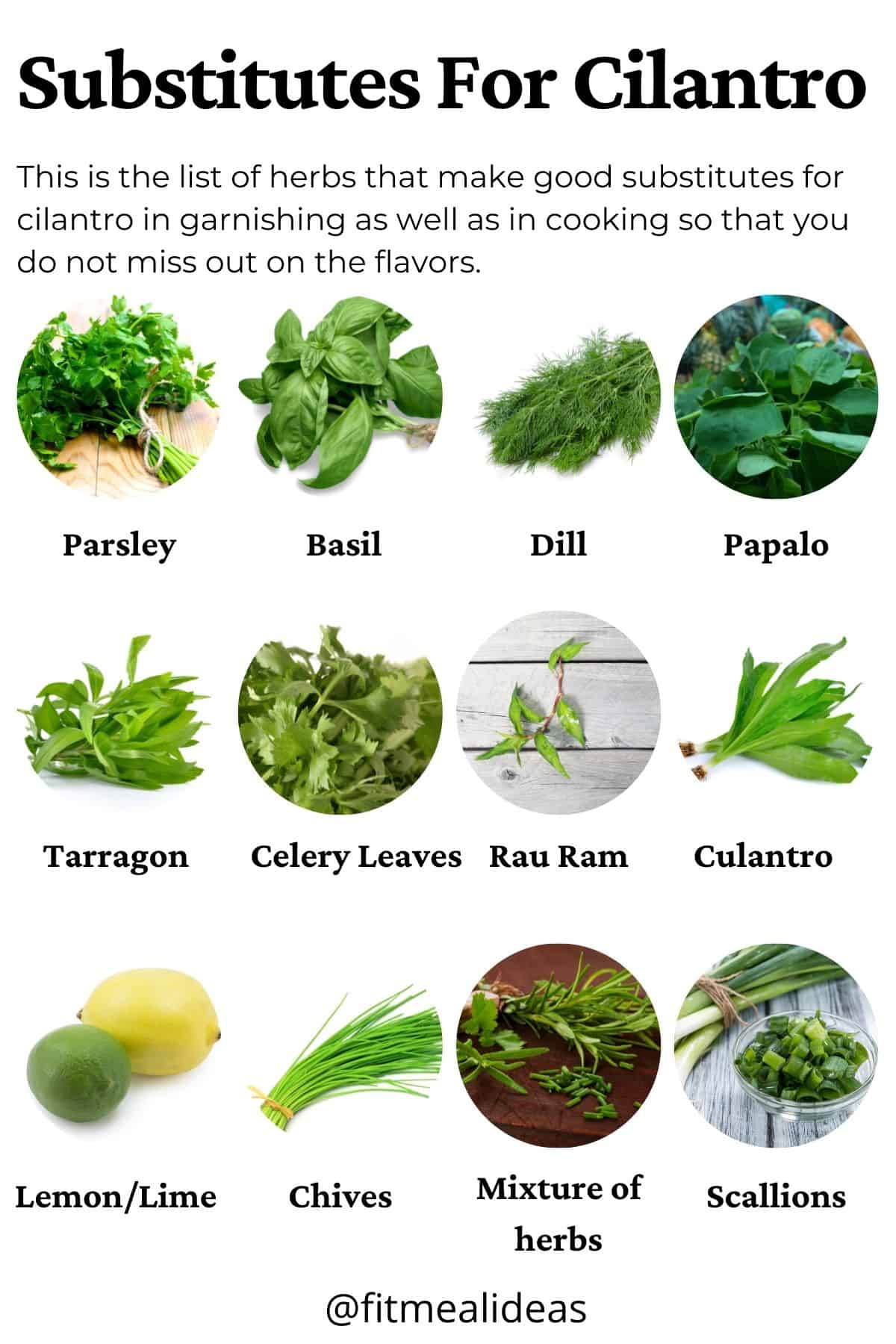
- Lemon verbena and lemon thyme: These two herbs have a citrusy scent, and they can be used to make refreshing drinks or to flavor desserts.

Tips for Planting and Caring for Your Herb Garden
When planting your herb garden, it's important to choose a location that gets plenty of sunlight. You should also make sure that the soil is well-drained.
Once you've planted your herbs, you'll need to water them regularly. You should also fertilize them every few months.
To keep your herbs healthy, you'll need to deadhead them regularly. This means removing the spent flowers. Deadheading will encourage your herbs to produce more flowers and leaves.
Conclusion
Planting herbs together is a great way to save space, attract beneficial insects, and improve the flavor of your food. By following the tips in this blog post, you can create a beautiful and productive herb garden.
Herbs that Plant Well Together
When planning your herb garden, it's important to consider which herbs will grow well together. Some herbs, such as mint and basil, can actually inhibit each other's growth. Others, such as rosemary and thyme, can help to repel pests.
To learn more about which herbs plant well together, I recommend visiting Gardenia Inspiration. This website has a comprehensive list of herbs that can be planted together, as well as information on the benefits of companion planting.
In addition to providing information on which herbs plant well together, Gardenia Inspiration also offers tips on how to grow herbs, recipes using herbs, and even a forum where you can connect with other herb lovers.
So whether you're a beginner or an experienced gardener, Gardenia Inspiration is a great resource for everything you need to know about growing herbs.
FAQ of herbs that plant well together
Q: What are some herbs that grow well together?
A: There are many herbs that grow well together, but some of the most popular pairings include:
- Basil, oregano, and parsley: These Mediterranean herbs have similar growing requirements and can help to deter pests.
- Dill, cilantro, and chervil: These herbs all have a light, airy growth habit and can be planted together in a container or flower bed.
- Lavender, rosemary, and thyme: These woody herbs can be planted together in a sunny spot and will provide you with fresh herbs for years to come.
- Chives, garlic, and onions: These alliums have a strong flavor and can be planted together to repel pests.
- Mint, sage, and savory: These herbs have a slightly minty flavor and can be planted together in a container or flower bed.
Q: What are some herbs that should not be planted together?
A: There are a few herbs that should not be planted together, as they can compete for resources or even harm each other. These include:
- Basil and fennel: These herbs have different water requirements and can stunt each other's growth.
- Basil and rosemary: These herbs have different soil pH preferences and can be susceptible to the same pests.
- Cilantro and tomatoes: These herbs can attract the same pests and diseases.
- Dill and carrots: These herbs can interfere with each other's growth.
- Mint and anything else: Mint is a very aggressive grower and can quickly take over a garden. It is best to plant mint in its own container or a separate area of the garden.
Q: How do I know which herbs to plant together?
A: There are a few things to consider when choosing herbs to plant together. These include:
- The herbs' growing requirements: Make sure the herbs you choose have similar water, sunlight, and soil pH requirements.
- The herbs' flavors: Some herbs have strong flavors that can overpower others. If you are unsure, it is best to err on the side of caution and plant herbs with complementary flavors.
- The herbs' pests and diseases: Some herbs are susceptible to the same pests and diseases. If you plant these herbs together, they may be more likely to attract pests or diseases.
Q: How do I plant herbs together?
A: When planting herbs together, it is important to follow a few basic guidelines:
- Choose a location that receives full sun.
- Prepare the soil by adding compost or other organic matter.
- Space the herbs according to their mature size.
- Water the herbs regularly, especially during the first few weeks after planting.
- Harvest the herbs regularly to encourage new growth.
Q: What are the benefits of planting herbs together?
A: There are many benefits to planting herbs together. These include:
- Increased productivity: Herbs that are planted together can often produce more than if they were planted separately.
- Improved flavor: The flavors of herbs can be enhanced when they are planted together.
- Increased pest and disease resistance: Some herbs can help to repel pests and diseases, which can benefit other herbs in the garden.
- Aesthetic appeal: Herbs that are planted together can create a beautiful and inviting garden.
Image of herbs that plant well together
- Basil, Tarragon, and Oregano: These Mediterranean herbs tend to pair well due to similar growing requirements, and planting oregano alongside basil and tarragon may help prevent pests.
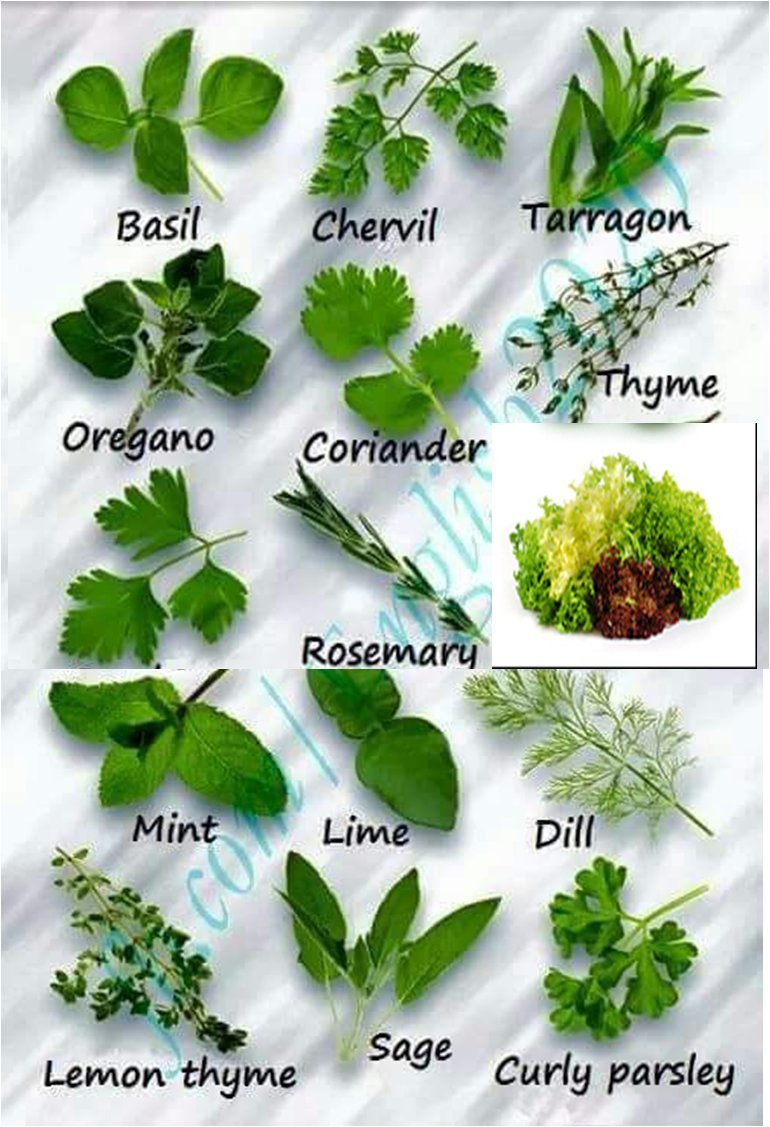
- Lemon Verbena, Dill, and Cilantro: These herbs all have a citrusy or herbal flavor, and they can be used in a variety of dishes. They also attract pollinators, which is beneficial for your garden.

- Lavender, Rosemary, and Thyme: These herbs are all fragrant and have a variety of culinary and medicinal uses. They also attract pollinators and can help deter pests.

- Parsley, Sage, and Chives: These herbs are all commonly used in cooking, and they can also be used to make teas or infused oils. They are all relatively easy to grow, and they can be planted together in a sunny spot.

- Mint, Chives, and Tomatoes: Mint, chives, and tomatoes are all easy to grow and can be planted together in a sunny spot. They also have different flavors that complement each other well.
Post a Comment for "Herbs That Grow Together Like"