Purple Leaf Sand Cherry: The Stunning Tree That Will Add Color To Your Landscape
Title: Purple Leaf Sand Cherry: The Stunning Tree That Will Add Color to Your Landscape
Introduction:
If you're looking for a stunning tree to add color to your landscape, look no further than the purple leaf sand cherry. This beautiful tree is known for its vibrant purple foliage, which makes it a standout in any garden. Purple leaf sand cherries are also relatively easy to care for, making them a great choice for even the most novice gardener.
In this blog post, we'll take a closer look at purple leaf sand cherries. We'll discuss their history, their unique features, and how to care for them. We'll also share some tips on how to use purple leaf sand cherries in your landscape.
Main Content:
- History of Purple Leaf Sand Cherries
Purple leaf sand cherries are a hybrid of two species of Prunus: Prunus cerasifera (purple leaf plum) and Prunus pumila (sand cherry). They were first developed in the early 1900s, and they quickly became popular for their stunning foliage.
- Unique Features of Purple Leaf Sand Cherries
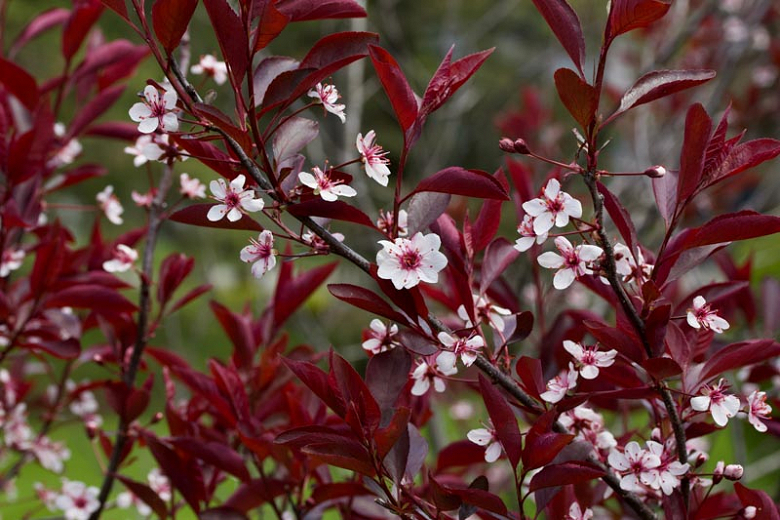
The most distinctive feature of purple leaf sand cherries is their foliage. The leaves are a deep purple color, which is especially striking in the spring and fall. The leaves also have a serrated edge, which gives them a delicate appearance.
In addition to their beautiful foliage, purple leaf sand cherries also produce small, white flowers in the spring. The flowers are fragrant and attract bees and other pollinators.
- How to Care for Purple Leaf Sand Cherries
Purple leaf sand cherries are relatively easy to care for. They prefer full sun, but they can also tolerate some shade. They are also not too fussy about soil type, as long as it is well-drained.
Purple leaf sand cherries need to be watered regularly, especially during the first year after planting. Once they are established, they are more drought-tolerant.
- Using Purple Leaf Sand Cherries in Your Landscape
Purple leaf sand cherries can be used in a variety of ways in your landscape. They can be planted as a single specimen tree, or they can be used to create a hedge or screen. They are also a good choice for planting in a mixed border.
Purple leaf sand cherries are especially effective when used to add color to a shady area. They can also be used to create a focal point in your garden.
Conclusion:
Purple leaf sand cherries are a beautiful and versatile tree that can add color and interest to any landscape. They are relatively easy to care for, making them a great choice for even the most novice gardener.
If you're looking for a stunning tree to add to your garden, consider the purple leaf sand cherry. You won't be disappointed.
Purple leaf sand cherry is a beautiful and versatile tree that can add a touch of color to any landscape. It is relatively easy to care for and is not susceptible to many pests. If you are interested in learning more about purple leaf sand cherry, I recommend visiting Home Gardening. This website has a wealth of information about the tree, including its history, care, and uses.
FAQ of purple leaf sand cherry
- What is purple leaf sand cherry?
Purple leaf sand cherry (Prunus x cistena) is a deciduous shrub that is native to eastern Asia. It is known for its beautiful reddish-purple leaves, which turn a bronze-green in the fall. The flowers are pink or white, and appear in April. The fruits are small and purplish-black, and are not edible.
- Where does purple leaf sand cherry grow best?
Purple leaf sand cherry is a relatively hardy shrub that can grow in a variety of climates. It prefers full to partial sun, and well-drained soil. It is drought-tolerant, but does best with regular watering.
- How do I care for purple leaf sand cherry?
Purple leaf sand cherry is a low-maintenance shrub. It requires regular watering, especially during the first year after planting. It should be fertilized in the spring with a balanced fertilizer. Pruning is not necessary, but can be done to control the size of the shrub.
- What are some common problems with purple leaf sand cherry?
Purple leaf sand cherry is susceptible to a few pests and diseases, including Japanese beetles, aphids, and powdery mildew. These can be controlled with insecticidal soap or neem oil.
- Can I keep purple leaf sand cherry small?
Yes, purple leaf sand cherry can be kept small by regular pruning. Prune the shrub in the spring or fall to remove any dead, diseased, or damaged branches. You can also prune the shrub to shape it or to keep it at a desired height.
- What are some other uses for purple leaf sand cherry?
Purple leaf sand cherry is a beautiful shrub that can be used in a variety of landscape settings. It can be planted as a specimen shrub, in a hedgerow, or in a mixed border. The flowers are attractive to butterflies and other pollinators. The fruits are also eaten by birds.
Image of purple leaf sand cherry
10 different images of purple leaf sand cherry that are free to use:
- A close-up of a single purple leaf.
- A full-grown tree with its branches covered in purple leaves.
- A cluster of purple flowers blooming on a purple leaf sand cherry tree.
- A purple leaf sand cherry tree in fall, with its leaves turning shades of red, orange, and yellow.
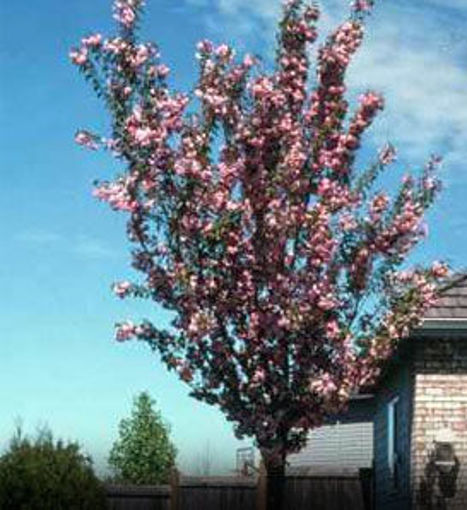
- A purple leaf sand cherry tree in winter, with its bare branches.
- A purple leaf sand cherry tree planted in a garden.
- A purple leaf sand cherry tree in a park.
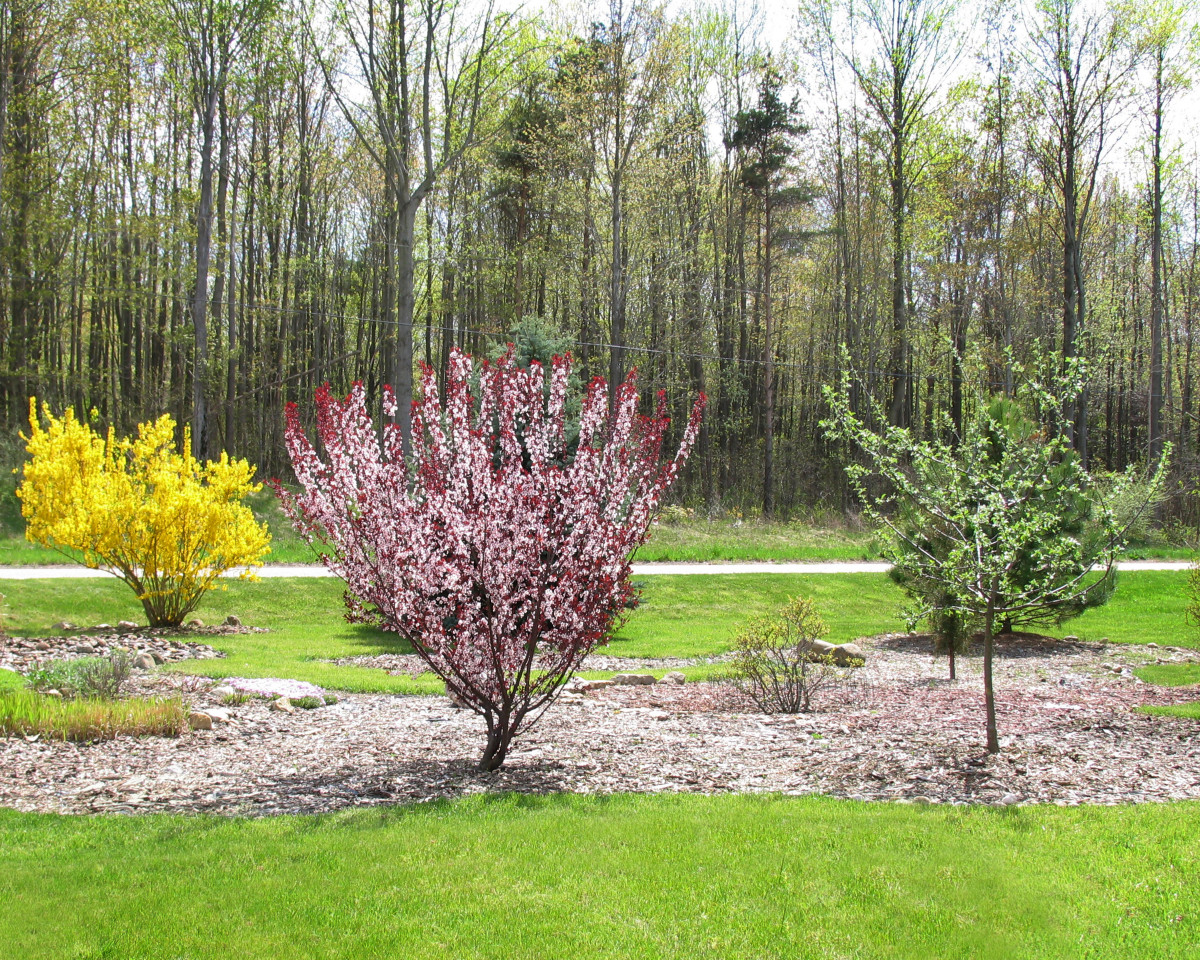
- A purple leaf sand cherry tree as a backdrop for a flower bed.

- A purple leaf sand cherry tree as a focal point in a landscape design.
- A purple leaf sand cherry tree in a container on a patio or deck.

Post a Comment for "Purple Leaf Sand Cherry: The Stunning Tree That Will Add Color To Your Landscape"